
The Musée des Beaux-Arts de Lyon, housed in a former seventeenth-century Benedictine abbey on the Place des Terreaux, holds one of the most remarkable collections of Islamic art in France. A short introduction, with a selection of objects from the galleries.
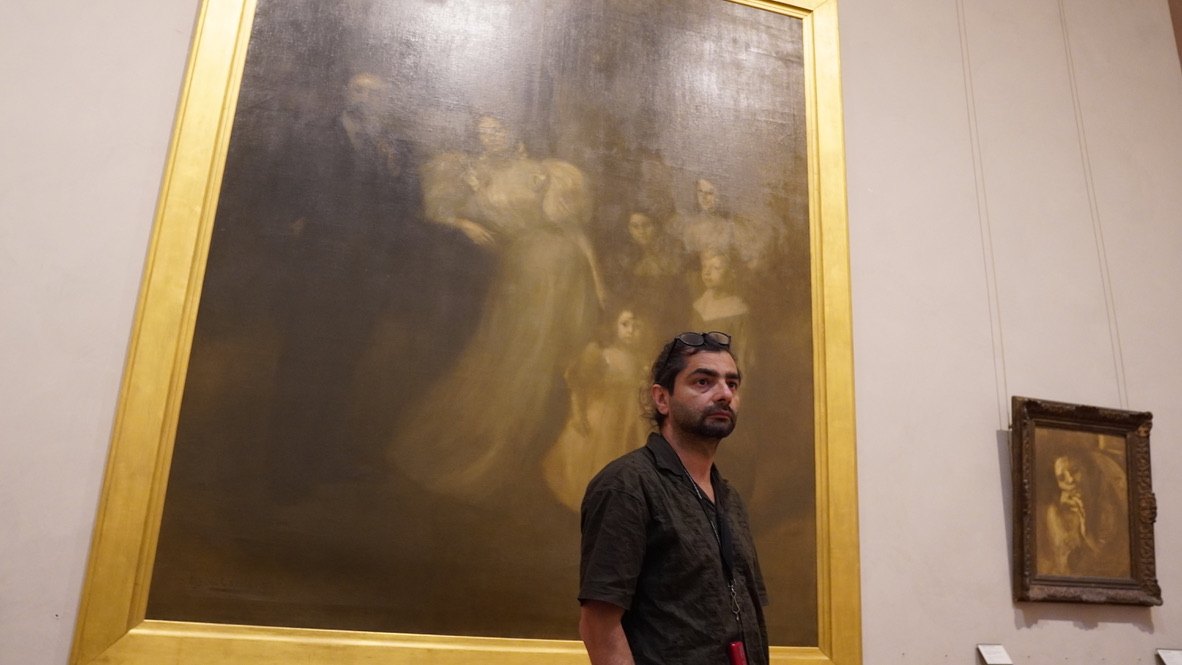
A nineteenth-century collection
The collection is part of the museum’s decorative arts department. It includes ceramics, metalwork, woodwork, glass, ivories, textiles, bookbindings, arms and armour, and Persian and Mughal miniatures. Most of it was assembled in the late nineteenth century. Between 1879 and 1895, a quarter of the objects entering the decorative arts department were Islamic works, acquired through Parisian dealers and auctions and through local collectors such as the banker Édouard Aynard, the financier Prosper Holstein and the physician Raymond Tripier.
The interest had a local reason. Lyon was a city of silk, and its designers looked closely at Islamic ornament. A retrospective exhibition in 1877 and the colonial exhibition of 1894 in the Parc de la Tête d’Or brought Islamic ceramics and textiles before the public, and “Moorish” and arabesque motifs found their way into Lyon silks. The museum explored this history in the exhibition Lyon et les arts de l’Islam (2011). In 2023 it published a catalogue raisonné of the whole collection, written by more than fifty specialists.
From the Islamic galleries
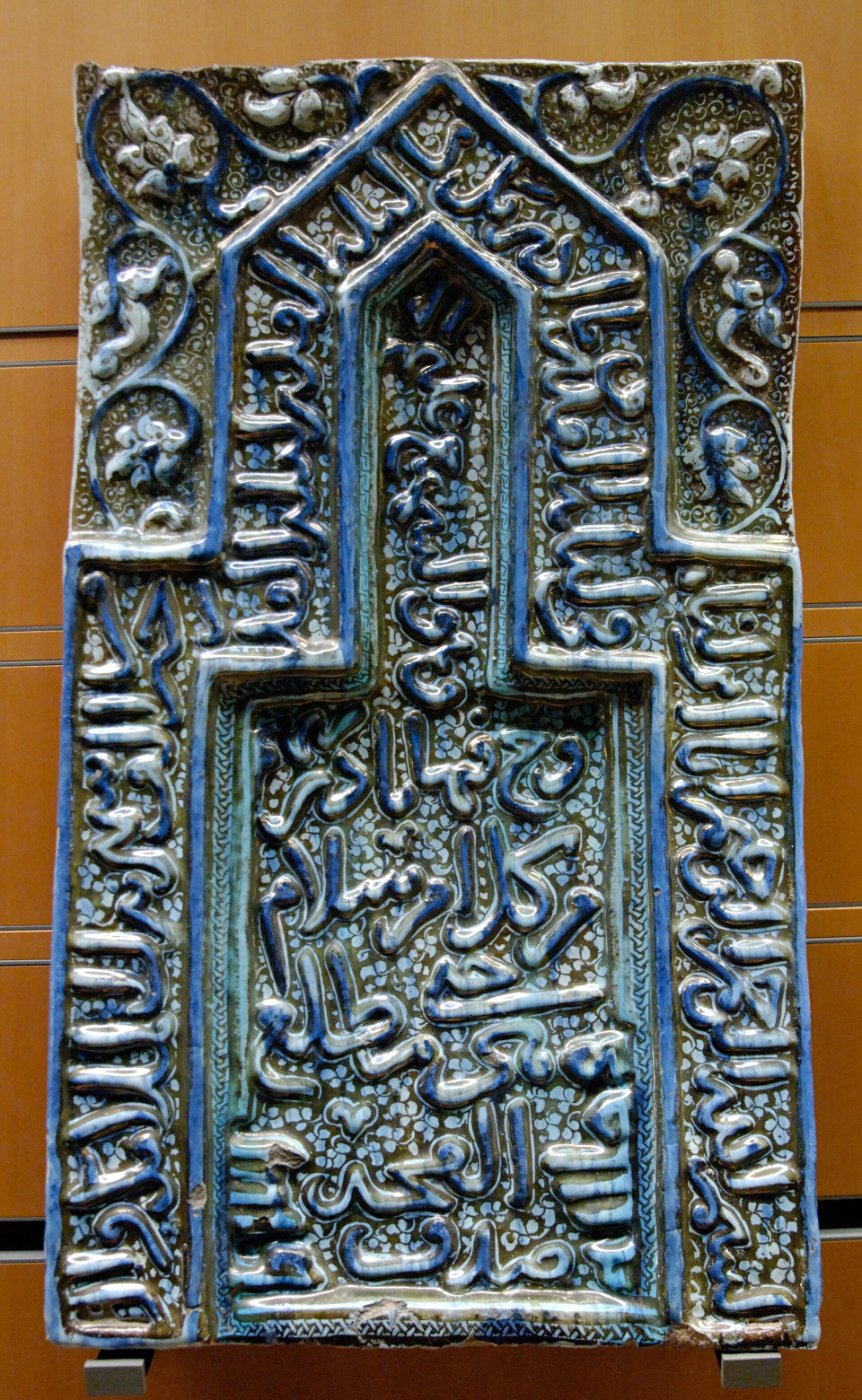
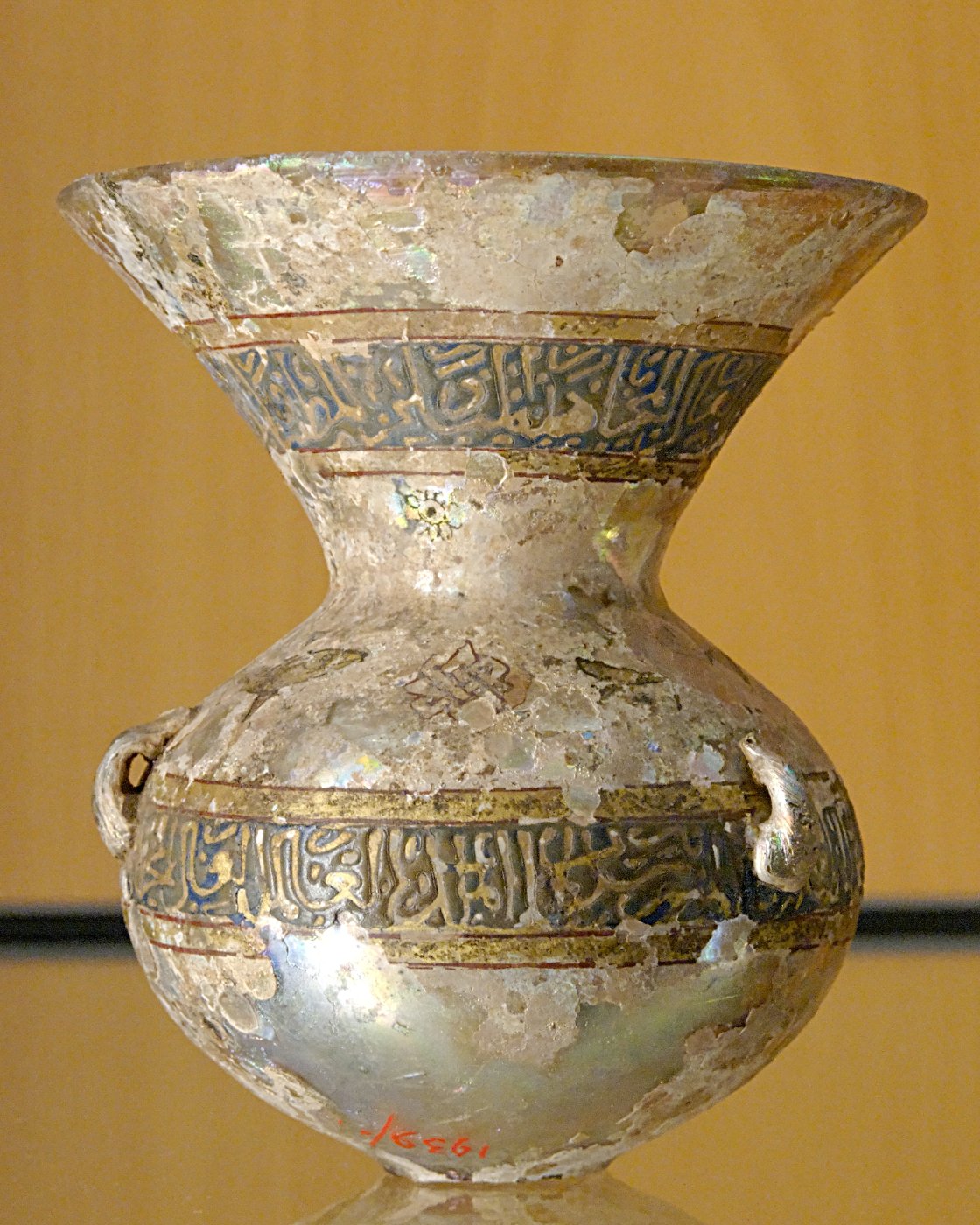
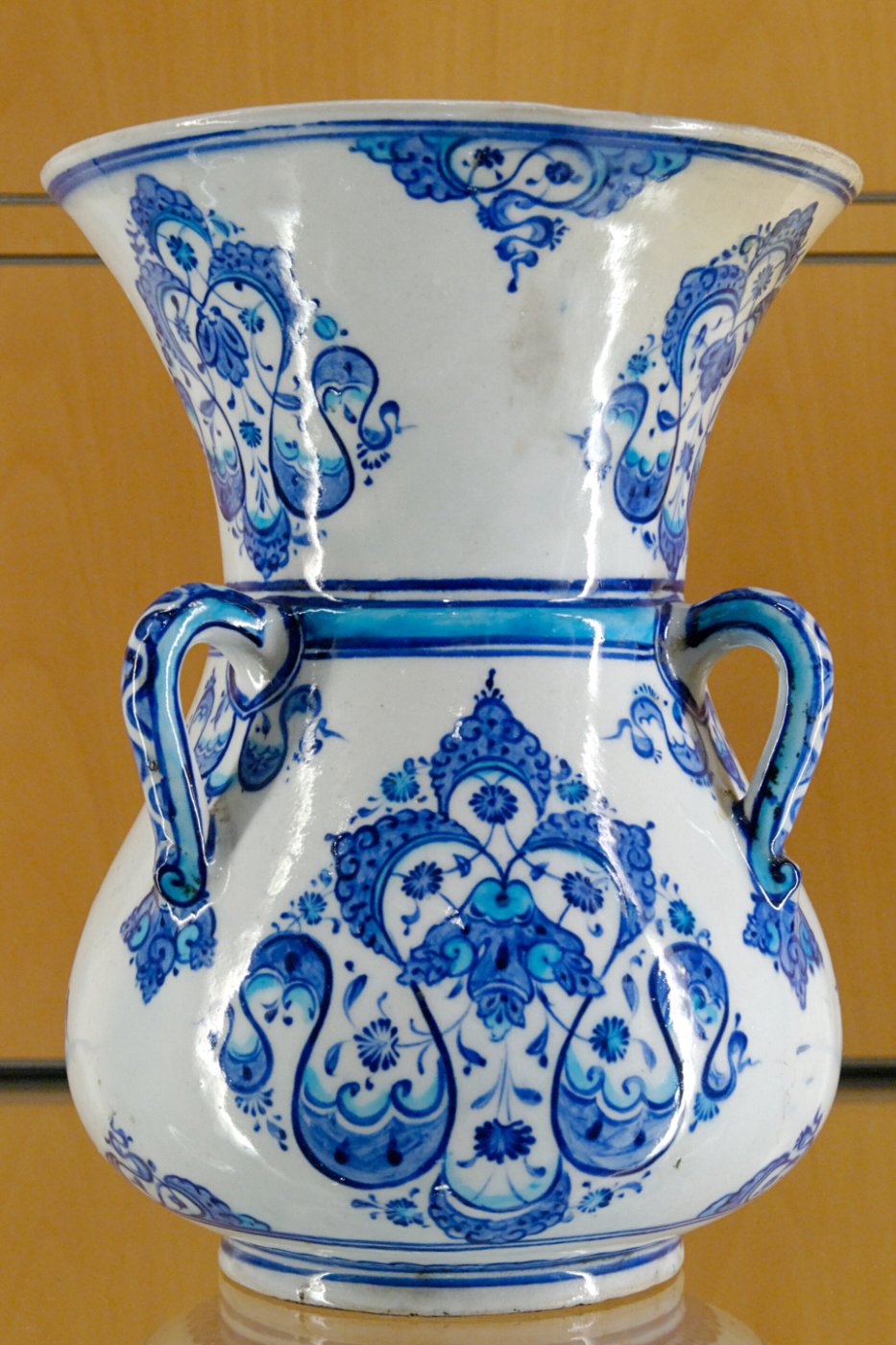
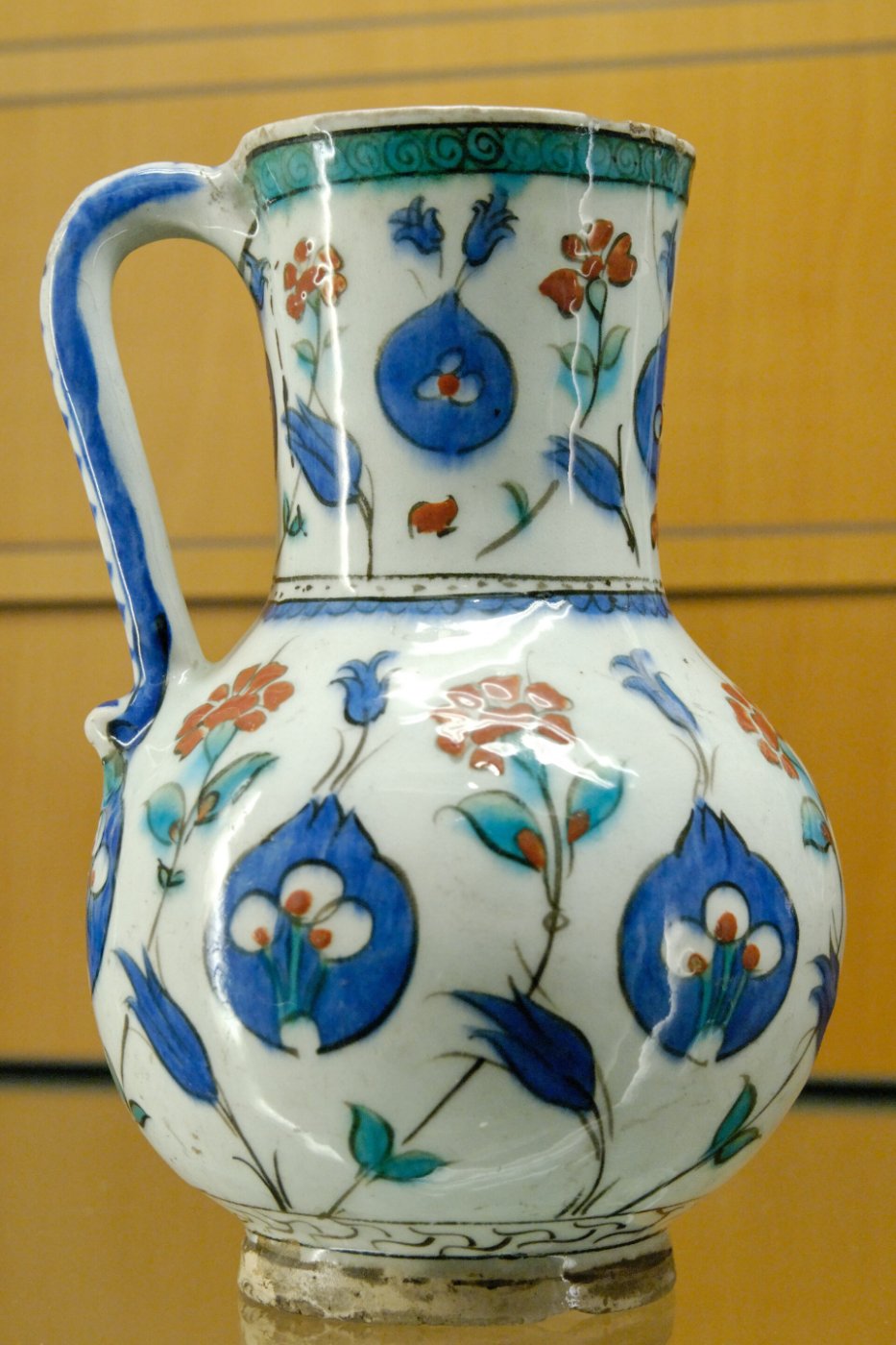
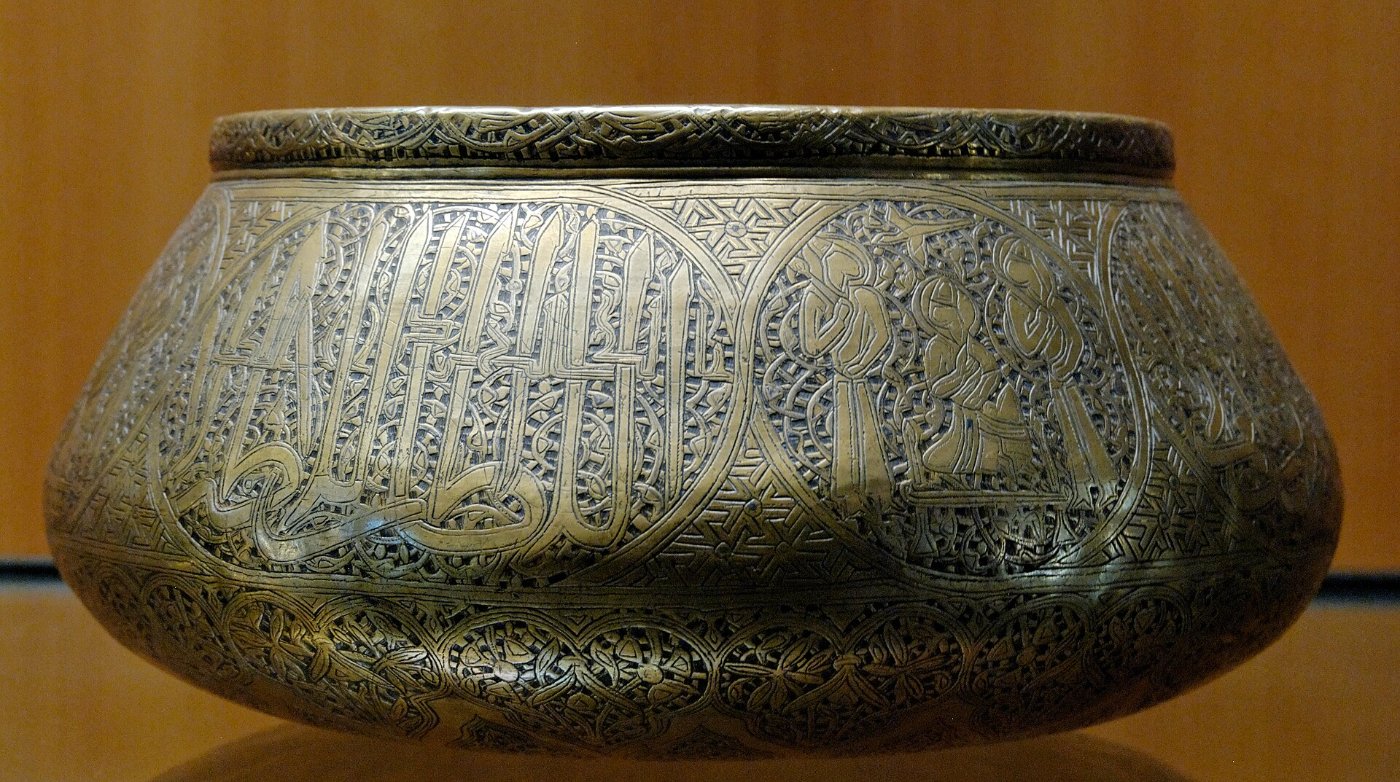
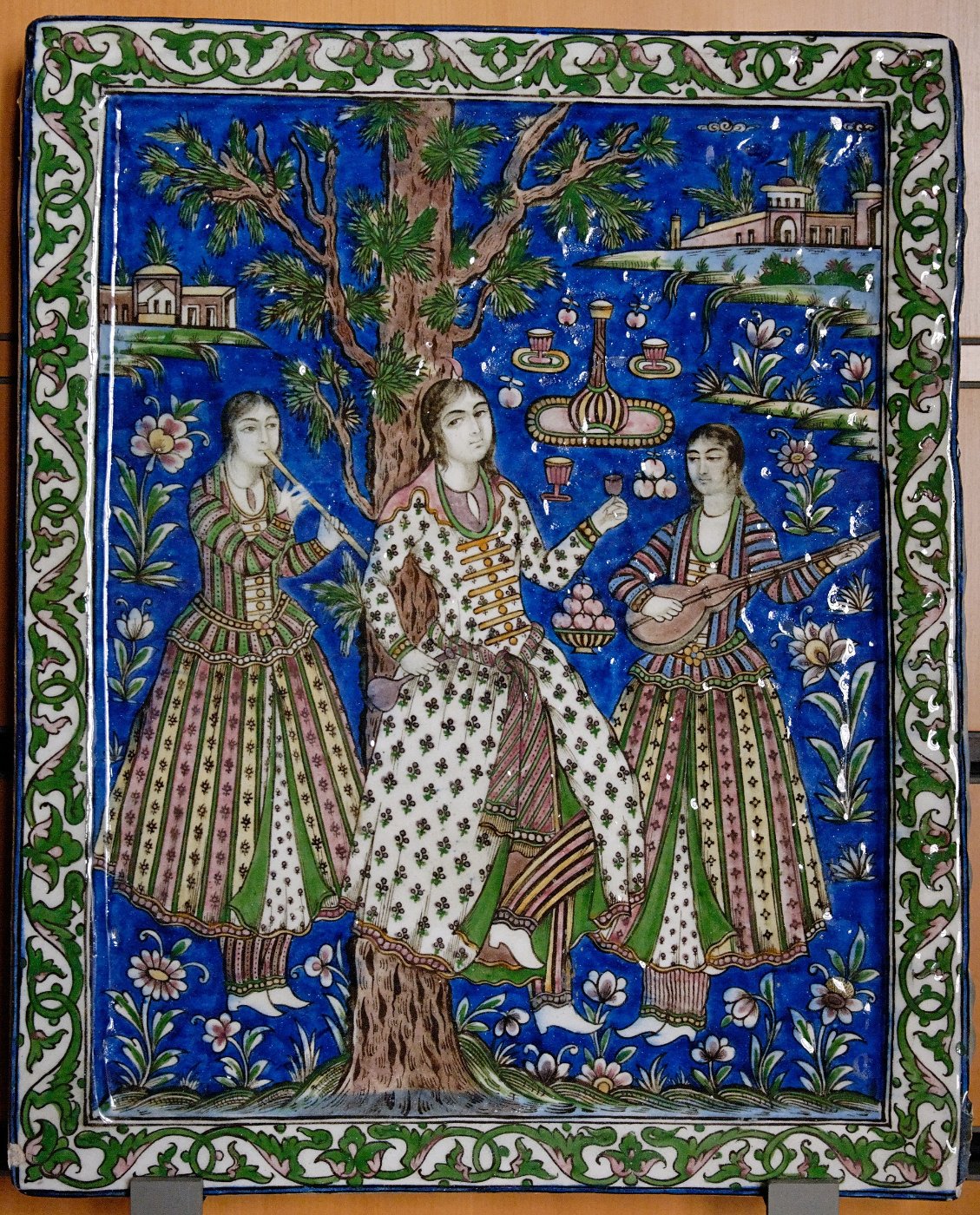
Looking closer: from prayer to display
Several of these objects were made for places of worship. A mihrab marks the direction of prayer; mosque lamps once hung above the congregation. In the museum they are lit from within a vitrine and read as works of art, sorted by material, region and dynasty. This shift from ritual object to museum object touches questions that run through research on religion in Europe: what visitors recognise when they look at such objects, and whose history the gallery tells. For some visitors, a mihrab still points towards prayer; for others, it is ornament and history. Lyon’s own story adds a further layer: the same forms that entered the museum also shaped the city’s silk industry, a reminder that Islamic art in Europe is part of a long history of exchange.
A walk through many worlds
The Islamic rooms are one stop on a longer route. Within the same building, a visitor passes from the gates of a Ptolemaic temple to Monet’s Normandy coast and Gauguin’s Tahiti. Seen together, these galleries show how a European museum gathers many worlds under one roof, and how differently each is framed: as antiquity, as art, or as the “exotic”. The Orientalist paintings of the nineteenth century belong to that story too: images of the East made for European eyes, shown in the same museum as objects made in Islamic lands for their own use.
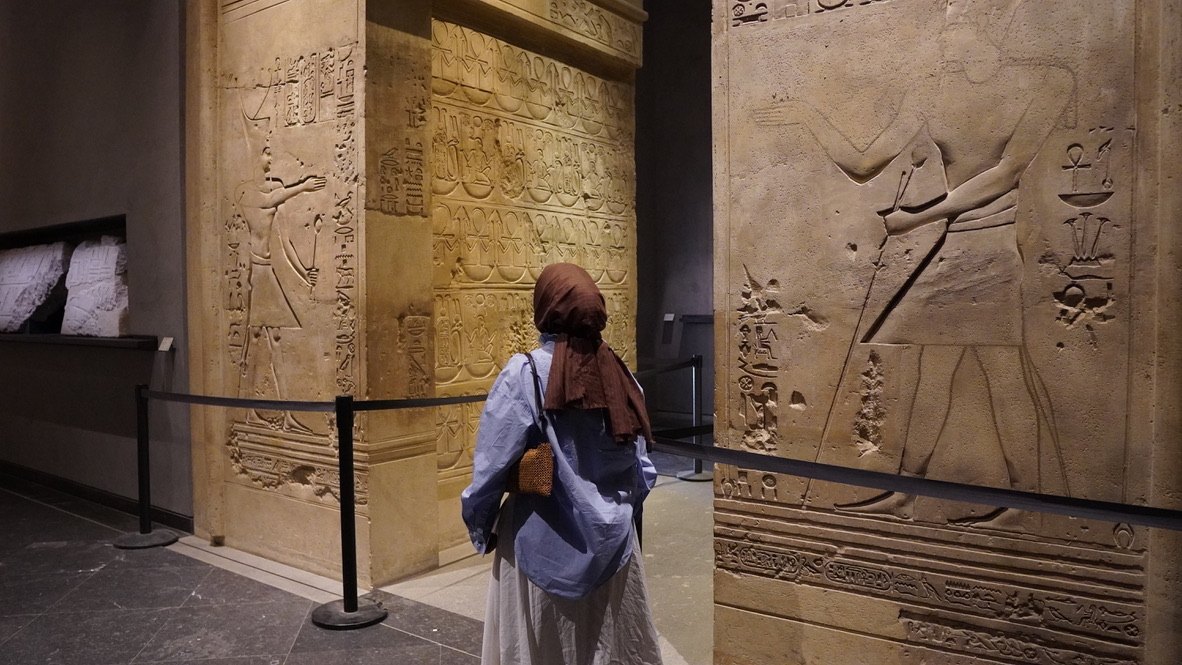
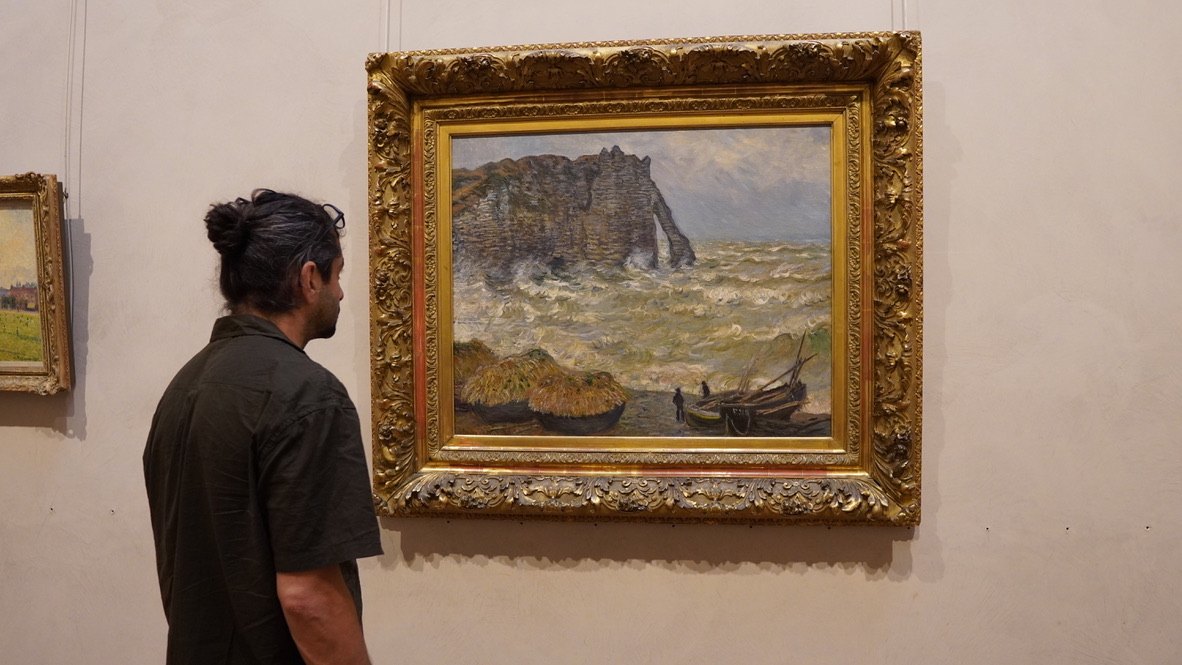
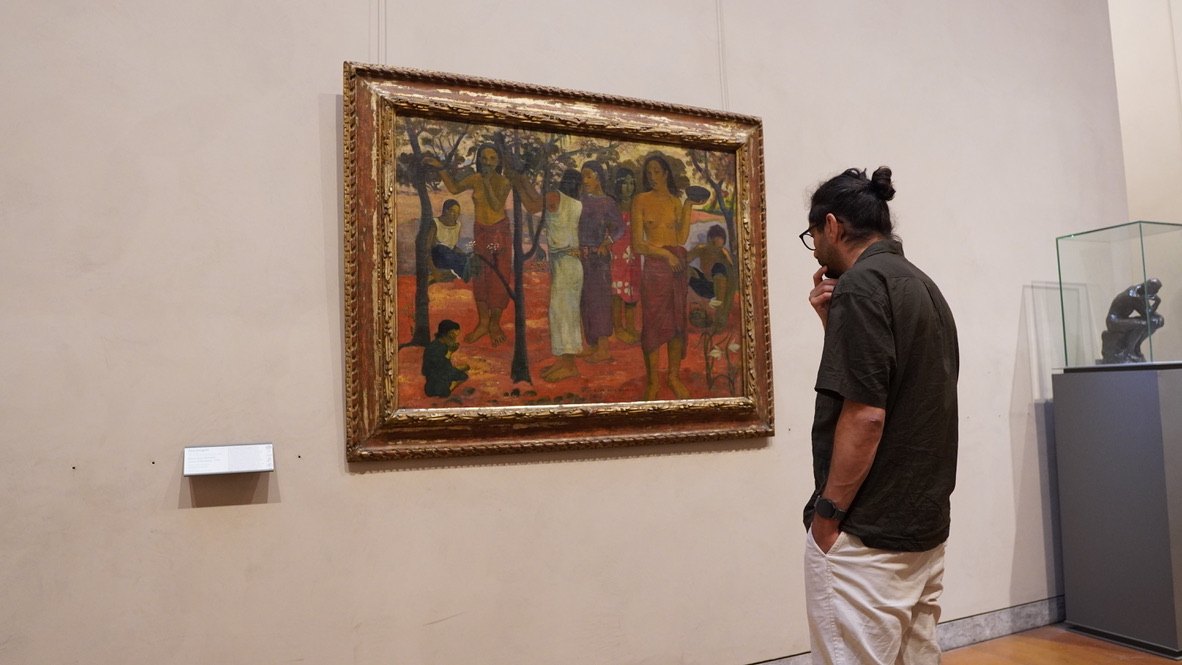
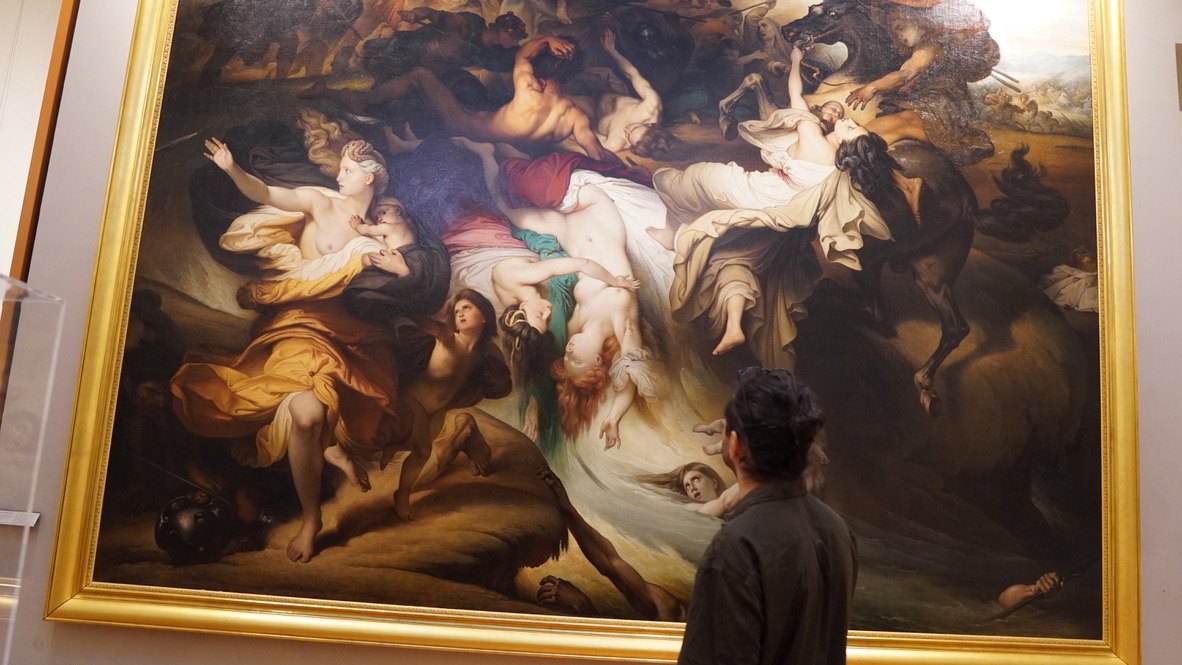
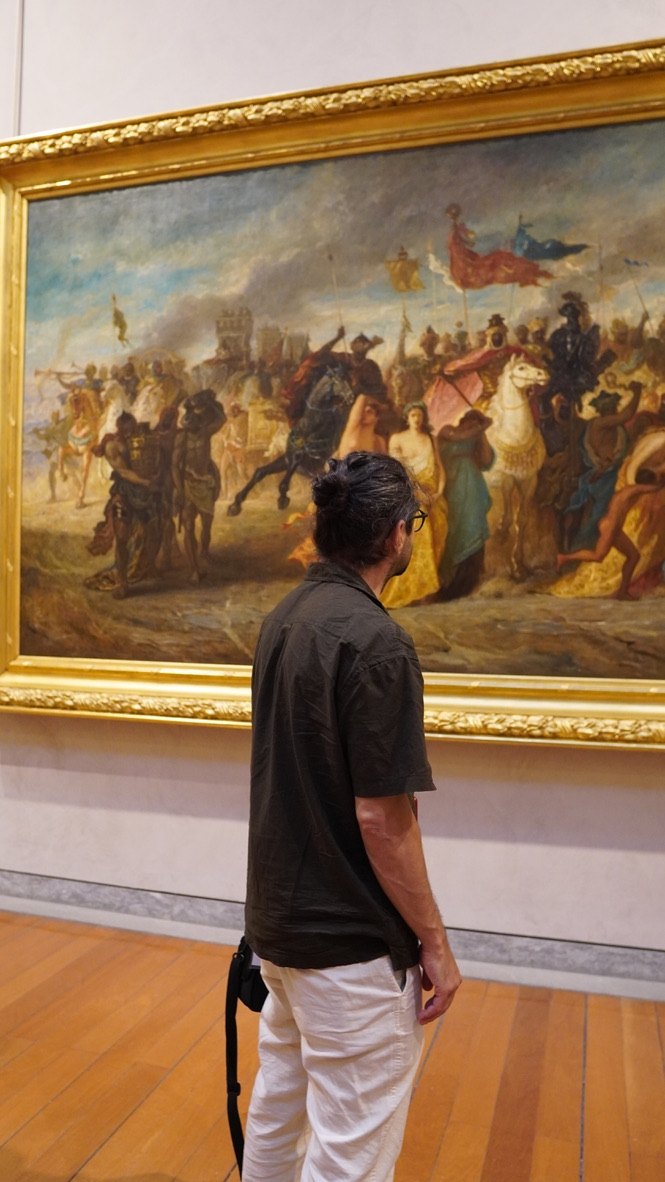
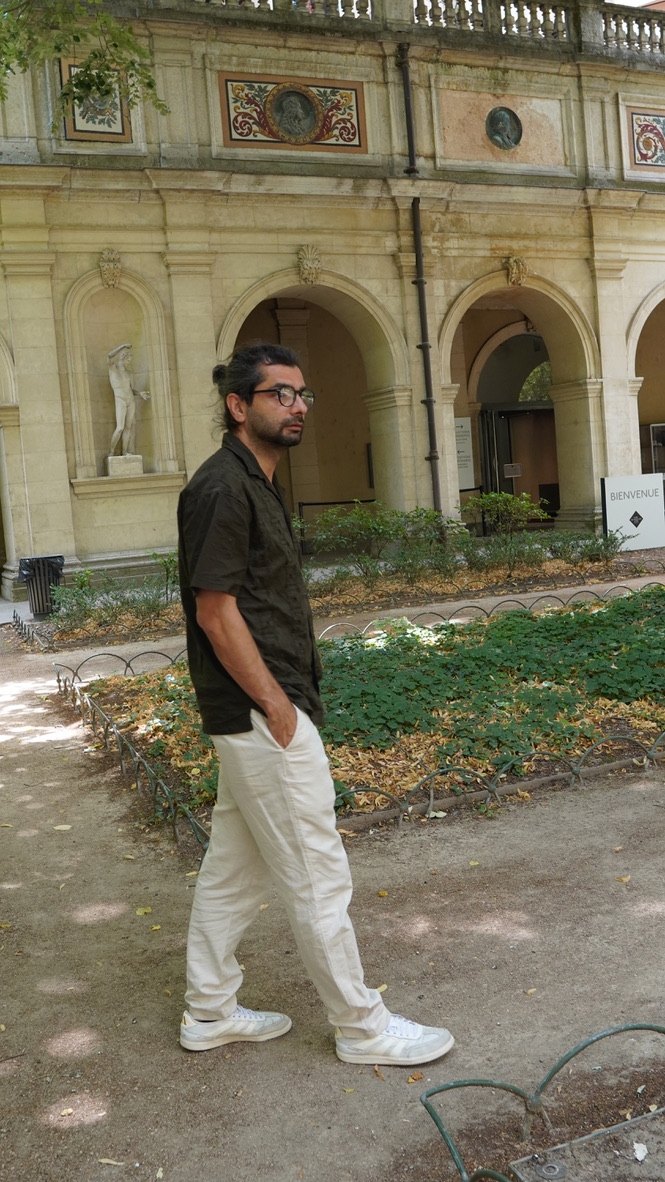
Musée des Beaux-Arts de Lyon, 20 Place des Terreaux, Lyon. The Islamic collection is shown within the decorative arts galleries. Current opening hours: mba-lyon.fr.
Sources: Musée des Beaux-Arts de Lyon, Lyon et les arts de l’Islam and Discover the museum’s collections; S. Hellal, S. Aube and É. Brac de la Perrière (eds), Les arts de l’Islam au musée des Beaux-Arts de Lyon (Snoeck, 2023). Photographs from the visit: Ömer F. Gürlesin. Photographs of the Islamic objects: Marie-Lan Nguyen, via Wikimedia Commons, CC BY 2.5.