How religion is lived, argued and imagined in contemporary Europe
Dr. Ömer F. Gürlesin is a sociologist of religion. His research looks at how religious meaning, moral orientation and authority take shape in everyday life and public debate, with a focus on Islam in Europe, the Sufi tradition and, more recently, religious language in climate discourse. He is a fellow researcher at the Center for Religion in the Public Sphere (CRiPS), Tilburg University.
Background: first-generation Turkish workers at tarāwı̄ḥ prayer in a Protestant church in Karlsruhe, Germany, 16 November 1971. Image shared by DiasporaTürk (@diaspora_turk).
Four areas of research
Lived religion and Islam in Europe
Popular and everyday religiosity among Muslims in the Netherlands, from Friday sermons and the changing role of imams to religious identity among young people.
Sufi thought and Islamic art
Classical Sufi texts, alongside the arts they shaped: calligraphy, manuscripts and music.
Religion and climate
Religious and apocalyptic language in Dutch climate debates, studied with computational text analysis. NWO-funded project at Tilburg University, 2023–2026.
religionclimate.org →Religion, cohesion and public policy
Research with direct policy relevance: prevention of radicalisation, transnational religious governance through mosque sermons, citizenship and religious education, and polarisation in public debate.
Extinction Rebellion wrote about 17% of the posts by Dutch climate organisations on X in 2023, yet drew more than half of all views.
Secular climate activism can carry implicit religion: shared beliefs, a transcendent purpose, devotion, community, meaning-making and hope.
For Extinction Rebellion, climate science works less as neutral knowledge than as a moral compass that sets the movement’s goals and strategies.
Civil disobedience and the readiness to be arrested are presented as acts of commitment, close to religious devotion.
Duty towards future generations appears as a sacred responsibility: the earth is not inherited from our parents but borrowed from our children.
Shared hashtags work as digital rituals, building a collective identity and a moral community online.
In Extinction Rebellion’s discourse, hope is not passive waiting but something made through protest and action.
Recent articles and chapters
Tussen geloof en groene taal: Klimaatorganisaties op Twitter/X in Nederland (2023)
Islamic history and philosophy, explained for a wider audience
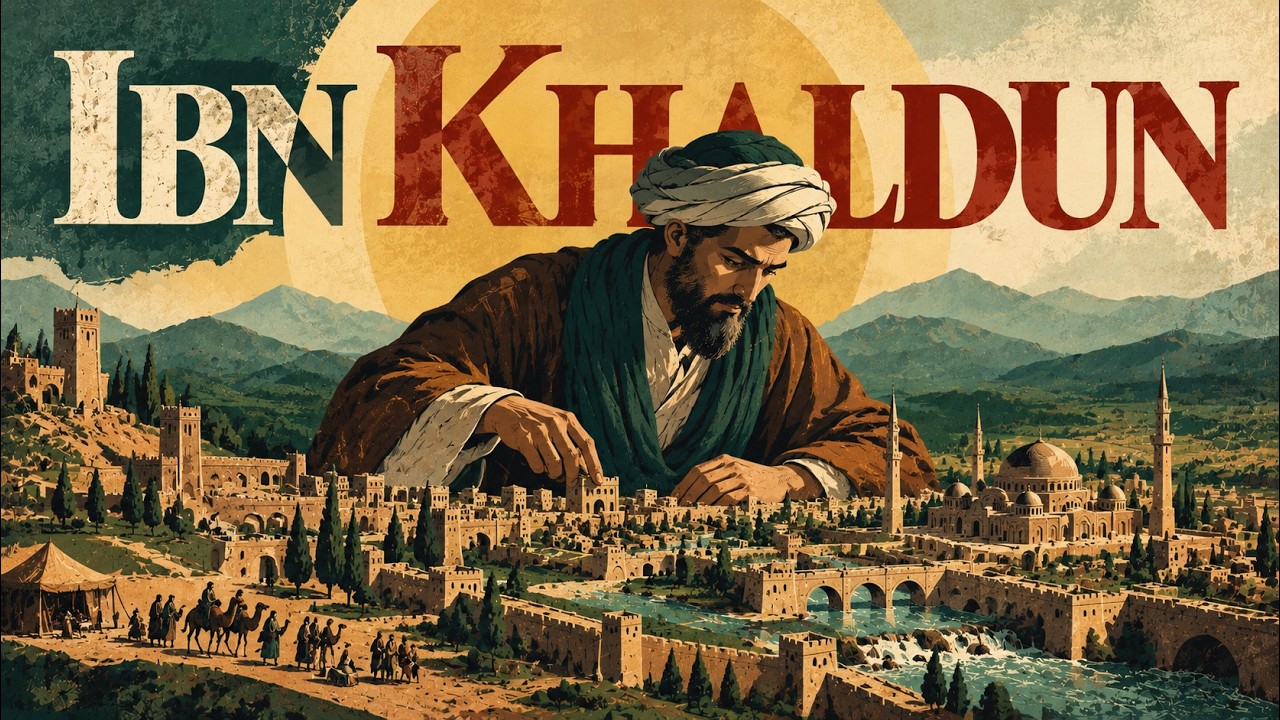
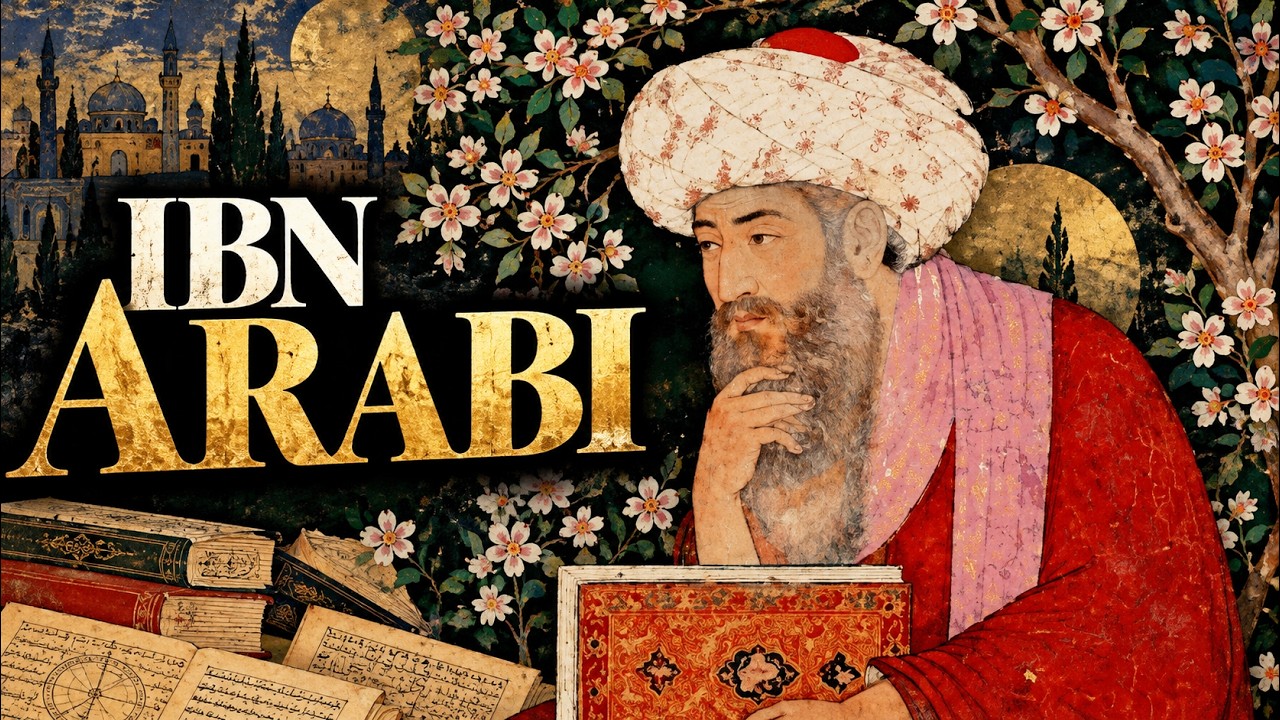
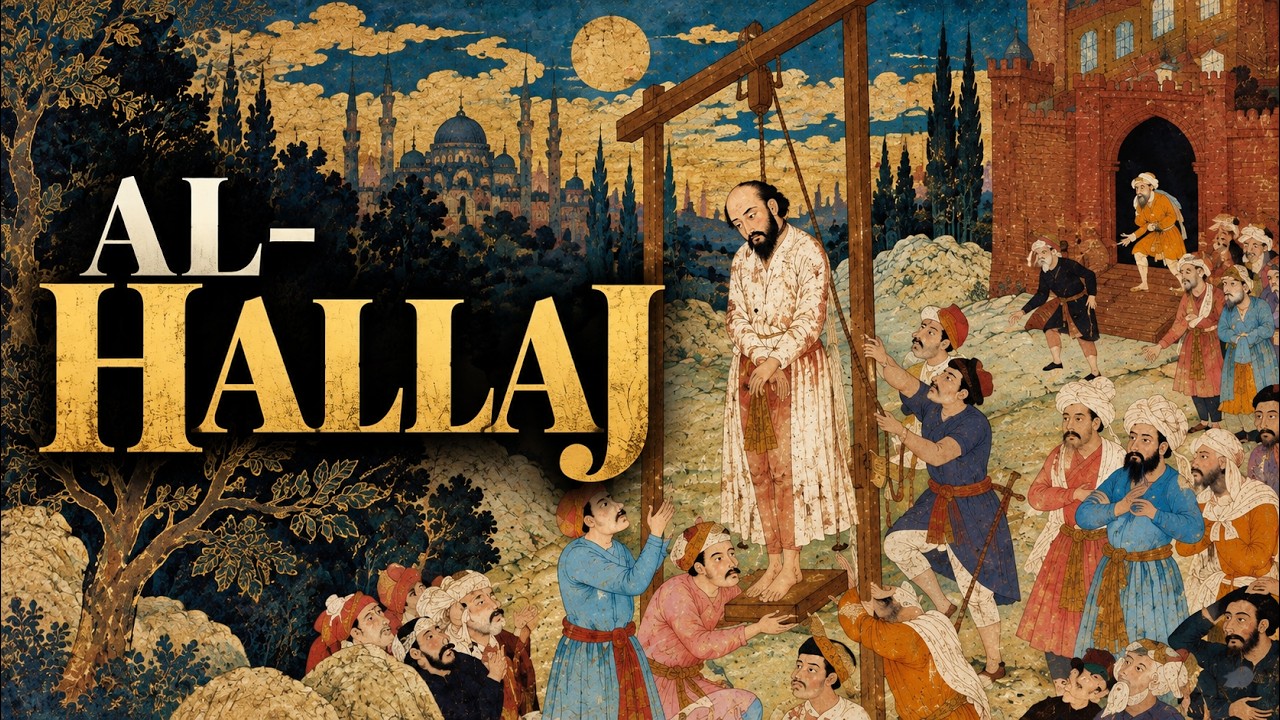
Tahqiq Studio is a YouTube channel with videos on Islamic intellectual history, Sufi thought and religion in today’s world. The videos draw on academic research but are made to be accessible to anyone interested.
Conferences co-organized

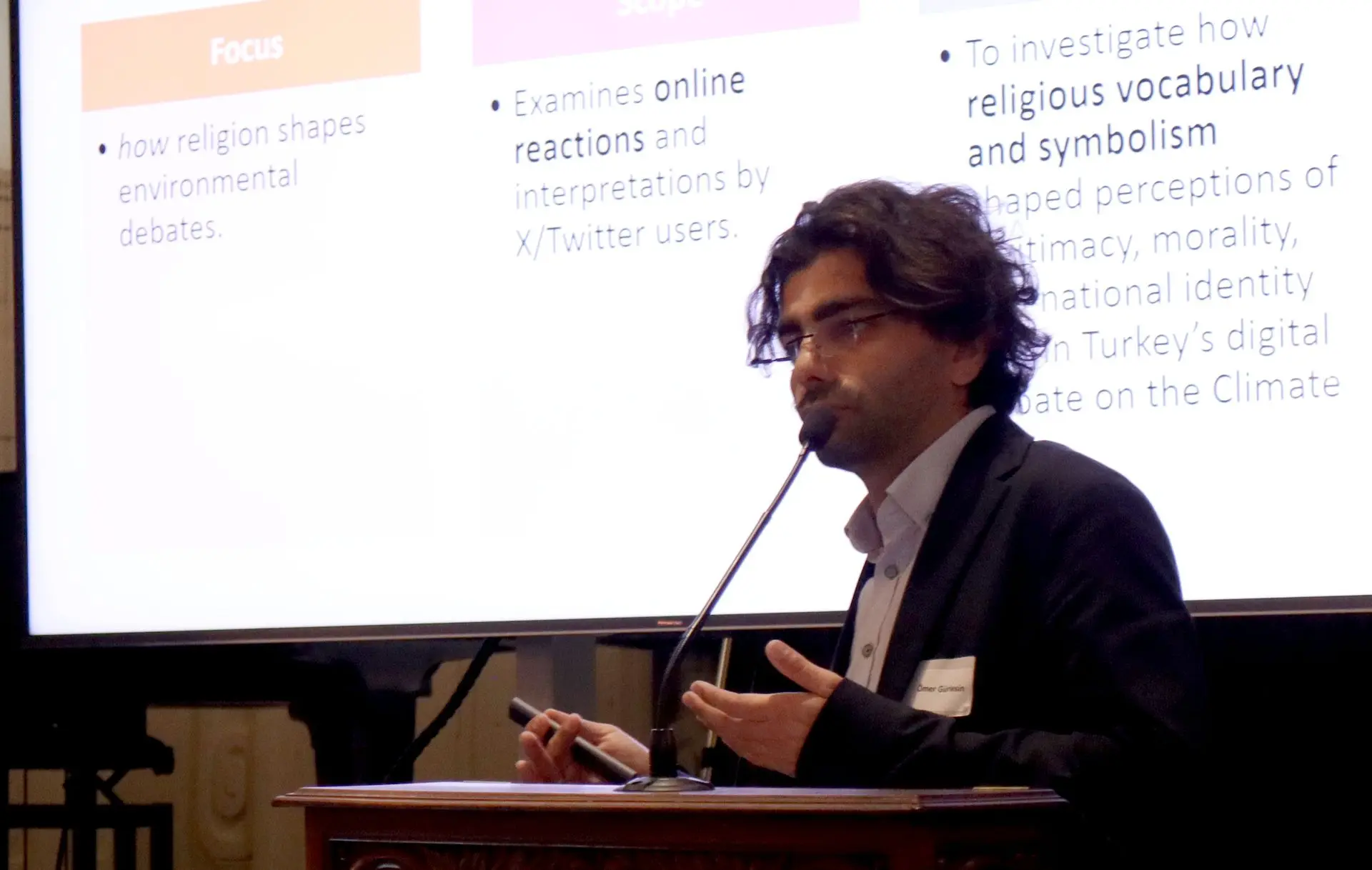
Cosmos: Goddelijk Canvas? Kunst, religie en klimaatverandering
Geloven in tijden van stijgende zeeën
New events and talks will be announced here.